Get our newsletter, tips, deals , and fitness advice.


Political News Burnout: Strategies to Protect Your Mental Health in a Divided Climate
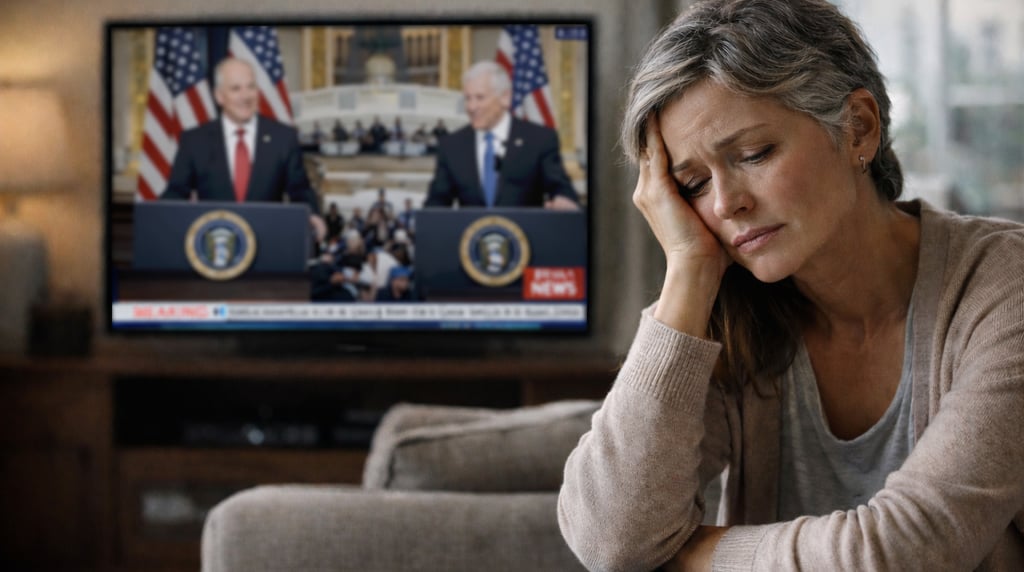
Watching the news daily, you become tired of the same old headlines. Some become tense before opening an app, or emotionally drained after a family gathering… you’re not being “too sensitive.”
You’re having a very normal human response to an environment that can feel loud, urgent, and conflict-heavy.
Add the modern “doomscrolling” effect—where constant negative news intake can intensify stress symptoms (sleep trouble, muscle tension, depression, headaches, elevated blood pressure)—and it’s easy to see why your nervous system might be waving a white flag.
Warning: this blog stays politically neutral.
The goal isn’t to change anyone’s beliefs. It’s to help you stay stable, respectful, and mentally well in the middle of a high-stimulation climate. FACTS FIRST.
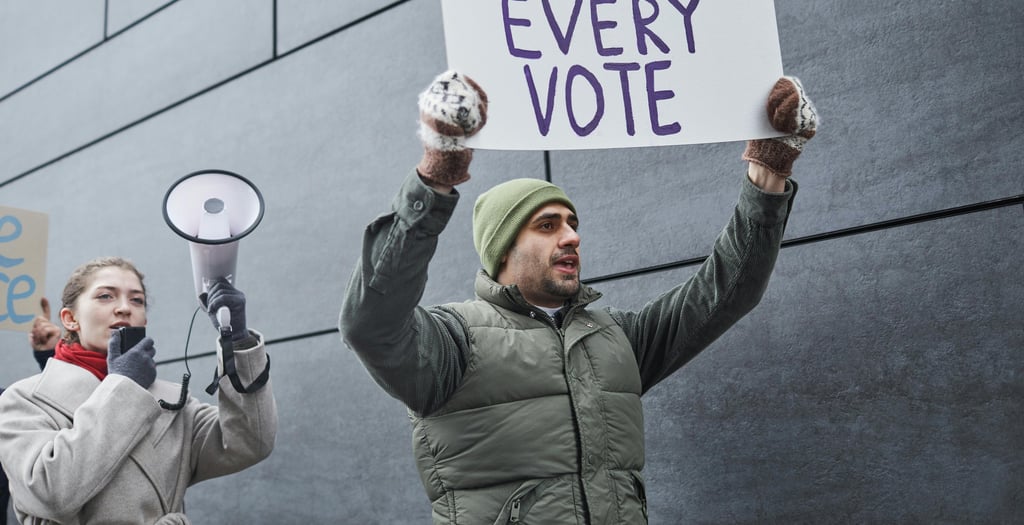
You can care deeply about civic participation and still protect your mental health. FACC
You can vote.
It's your Constitutional right unapologetically make your own personal electoral decisions
You can stay informed & engage thoughtfully.
And you can also:
Step back from debates.
Decline political arguments.
Choose relational peace over escalation.
Protect your nervous system.
In times of high tension, emotional regulation becomes a form of civic maturity.Grounded in occupational health research, stress psychology, and conflict regulation principles.
What Political Stress Can Look Like:
Feeling keyed up, restless, or “on edge” after news exposure
Difficulty sleeping after watching debates/protests/updates
Irritability, shorter fuse, cynical thoughts
Avoiding family/friends to dodge arguments
Feeling guilty for disengaging, but overwhelmed when you engage
If that’s you: you’re not broken. You’re unnecessarily overloaded.
1. Create Intentional News Windows
Discipline yourself in limiting exposure to reduce anxiety and mental overload.
Example: Check political news once in the morning and once in the evening for a set time, rather than scrolling throughout the day.
Try this: 20 minutes once or twice a day (example: lunch + early evening). No news within 60 minutes of bed.
Mini-script to yourself: “I can be informed without being immersed.”
2. Avoid Doom-Scrolling and Late-Night News
Excessive Doomscrolling tends to escalate anxiety without improving understanding. fuels news fatigue and sleep disruption. Replace doomscrolling with “purposeful checking”
Try this: Before you open an app, decide: “What am I looking for?” (a specific update, one summary, one local action step). Then close it.
Switching to one evening news window + a shutdown routine improved his sleep within weeks.
3. Recognize the Signs of Political Burnout
Irritability, hopelessness, and difficulty concentrating may signal emotional overload.
If you feel tense after reading the news, pause and If you notice rising tension after reading headlines, step away and take a short walk or practice slow breathing. step outside or practice deep breathing before continuing your day.
4. Balance Information with Recovery
Chronic stress requires active recovery, not just distraction.
After reading about heavy topics, engage in stress-reducing activities like exercise, journaling, or spending time with supportive friends.
Stress isn’t only mental; it’s physiological.
Try this 90-second reset:
Drop shoulders, unclench jaw
Exhale longer than you inhale (slowly)
Stand up, stretch calves/hips, drink water
Your brain follows your body’s signals.
5. Setting Boundaries Around Politics with Family or Friends.
Politics tends to derail family dinners or friendships, it helps to address it before emotions flare. In today’s climate, these conversations can quickly reignite old tensions and even turn chaotic or violent.
A simple, honest conversation can go a long way: Try these quotes:
“I value our relationship more than debating politics — can we agree to keep it respectful or skip it all together?”
Setting expectations ahead of time removes the surprise and reduces defensiveness later.
Not every political comment deserves your energy. If a conversation starts heating up, you don’t have to jump in, defend your stance, or prove a point. It’s completely okay to say, “I’m not getting into politics today,” and leave it there. Choosing not to engage isn’t weakness — it’s self-control.
Bring It Up Calmly, Not Mid-Argument
“Hey, last time politics got tense. I really value our time together — can we keep it light this visit?”
“I’ve been feeling overwhelmed by political topics lately — can we switch subjects?
Redirect the topic, nod and move on, or physically remove yourself if needed.
The boldest move is preserving your peace and keeping the connection intact.
When boundaries are discussed calmly — not in the middle of an argument — people are far more likely to respect them. Real maturity isn’t avoiding tough topics; it’s deciding together how you’ll handle them so no one leaves feeling attacked or unheard. Here are real-life ways to handle it:
Remove Yourself When Needed
If it continues: “I’m going to step away for a bit — I don’t want this to escalate.”
The key is tone. Calm, direct, and steady. Boundaries aren’t ultimatums — they’re relationship protectors. Handling political differences this way keeps conversations from becoming personal and helps everyone leave the table feeling respected instead of resentful.
Suggest Ground Rules for a Political Conversation
Example: “If we do talk politics, can we agree no interrupting and no personal attacks?”
6. Ask “Values Questions,” Not “Gotcha Questions”
This is one of the strongest real-life de-escalation tools.
“Gotcha” questions corner people and trigger defensiveness.
“How can you support that?” immediately turns the conversation into a fight.
Values questions shift the focus from attacking positions to understanding motivation.
Instead, try this:
“What matters most to you about this?”
“What outcome are you hoping for?”
“What concerns you the most?”
This moves the conversation from combat to meaning.
Why it works:
People defend positions, but they open up about values.
Understanding is not endorsement.
Listening doesn’t mean you agree — it means you’re choosing control over escalation.
How to apply it:
Let them finish without interrupting.
Reflect back what you hear.
Look for shared values, even if solutions differ.
If it still turns hostile, disengage calmly.
You don’t have to win the debate. You just have to manage the energy.
7. Handling Political discussions at Work
Whew. This is delicate one. Unlike family, you can’t just walk out — and unlike friends, your paycheck is attached. So the goal isn’t to win. It’s to protect professionalism and your peace.
Lead with Professional Boundaries. You’re there to work, not debate policy.
Try this response:
I keep politics out of work conversations.” Simple. Calm. No apology needed.
Redirect to Neutral Ground -If the topic pops up in a meeting or break room:
“That’s a big topic — speaking of deadlines, where are we on the project?”
Pivoting keeps things productive.
Dont Overshare - Even if you feel strongly, workplace power dynamics matter. Protect your reputation.
You don’t owe colleagues your political stance.
Use Neutral Language -If you must respond, stay measured.
Try this response: “I see there are a lot of perspectives on that.”
This acknowledges without aligning.
Avoid Public Debates
Group settings escalate quickly and can create long-term tension. If something feels inappropriate, address it privately or let it go.
Know Company Policy
Some workplaces have clear guidelines around political speech. Familiarize yourself so you’re protected.
Protect Your Emotional Energy & Escalate Only if Necessary
If certain coworkers constantly initiate heated conversations, limit engagement. Keep interactions work-focused.
If discussions become hostile, discriminatory, or disruptive, that’s no longer “politics” — it’s a workplace issue. Document for Equal Employment Opportunity purposes and involve HR if needed.
8. Limit Emotional Posting On Social Media
In a heated political climate, emotional posting can feel justified — even necessary. But the hidden consequences are real, and they often outlast the moment that triggered them.
If your heart rate is up while typing, that’s your cue to wait. Draft it. Sit on it. Most posts written in peak emotion lose urgency after 24 hours.
When you post while angry or fired up, you’re usually reacting, not communicating. In a divided climate, tone is easily misread and nuance rarely survives. What feels like a passionate statement to you can read as aggressive, extreme, or hostile to someone else. And once it’s online, it’s permanent.
Screenshots circulate. Posts resurface. Context disappears.
How Emotional Posting Can Deeply Effect Your Lifestyle
Quickly strain friendships & fracture family relationships,
Create awkwardness at work as employers and clients do review social media causing networking opportunities to quietly shrink.
People may begin to label you — fairly or not — based on one heated moment.
Engaging in comment battles and back-and-forth debates takes a personal toll as you carryo out the rest of your day feeling more stressed than when you started
The temporary relief of “getting it off your chest” often turns into prolonged tension.
Here’s the straight truth: not every thought needs an audience.
Before posting, pause and ask:
Am I informing or venting?
Would I say this the same way face-to-face?
Is this worth the potential fallout?
Will this matter a week from now?
Caring deeply about issues is not the problem. But discipline matters. In polarized times, protecting your credibility, relationships, and mental health sometimes means choosing restraint over reaction and not losing your.
Silence isn’t weakness. It’s strategy.
9. Protect Gatherings: Don’t Mix Politics with Alcohol and Exhaustion
This isn’t moralizing — it’s practical. When people are tired, hungry, overstimulated, or drinking, emotional regulation drops. Fatigue shortens patience. Low blood sugar increases irritability. Alcohol lowers inhibition. Add politics to that mix, and small disagreements can escalate fast.
If gatherings have a history of getting heated, plan ahead instead of reacting later.
Eat first.
Arriving hungry makes you more reactive. A simple snack beforehand can stabilize your mood and reduce tension.
Arrive rested — or arrive later.
Exhaustion shrinks your emotional bandwidth. If you’re drained, you’re more likely to snap or take things personally.
Keep alcohol minimal.
Alcohol reduces filters. You may say things more bluntly than intended. Set a limit and pace yourself.
Have a reset break ready.
If you feel your heart rate rise, step outside, take a walk, or excuse yourself briefly. A five-minute pause can prevent a full argument.
Most political blowups aren’t planned — they happen when stressors stack up. You can’t control the room, but you can control your condition. Protecting gatherings means choosing stability over escalation
10. Build Psychological Resilience Through Self-Care
Let’s be direct: if you’re constantly around toxic people, glued to political content, and never giving your nervous system a break, your stress will stay high. No mindset trick can override chronic overstimulation.
Toxic dynamics matter. If someone consistently provokes, argues, or drains you, limit exposure. You don’t have to cut people off dramatically or maybe so.... but you can shorten visits, mute threads, decline debates, or keep conversations surface-level. Protecting your peace sometimes means reducing access.
Now the reset: go outside.
Not metaphorically. Physically.
Step outdoors daily. Even 15–20 minutes of walking lowers cortisol, improves mood regulation, and interrupts rumination. Nature reduces mental noise. Sunlight regulates sleep cycles. Movement burns off stress chemicals your body is holding.
Practical solutions: Try this:
Schedule outdoor time like an appointment.
Walk after consuming heavy news.
Replace one scrolling session with a short walk.
Keep your phone in your pocket while outside.
Also, move your body consistently. Lift. Stretch. Walk. Sweat. Stress that isn’t processed physically often leaks out emotionally.
Here’s the hard truth: resilience doesn’t come from arguing better. It comes from regulating better. Limit toxic exposure. Get outside. Sleep. Move. Repeat.
Your nervous system can’t stay calm in chaos unless you actively build stability.
Final Thought..Its all about Maturity
Staying grounded does not mean disengaging from civic responsibility.
It means:
Consuming information wisely & managing conversations respectfully
Protecting your sleep and nervous system
Choosing when engagement is productive and when stepping away when it is not
You do not have to argue at every gathering to prove conviction.
You do not have to sacrifice peace to participate in democracy.
The goal is sustainable engagement — not emotional depletion.
Protect your mind.
Protect your relationships.
Stay informed — but stay well.
Political News Burnout: 10 Expert Based Strategies to Protect Your Mental Health in a Divided Climate
A very politically neutral guide for coping with stress, anxiety, and relationship tension—without checking out of the world.
Recent national polling shows this isn’t rare: 67% of Americans reported feeling anxious about current events happening around the world. And during major election cycles, many people report feeling worn out by the volume of political coverage— Few found 62% felt worn out by campaign/candidate coverage in a 2024 survey.




10 Expert Strategies for Managing Political Views and Keeping Relationships Intact