Get our newsletter, tips, deals , and fitness advice.

Finding Calm: Somatic Practices for Nervous System Regulation
3/15/20263 min read


Understanding the Nervous System: Somatic Practices for Stress, Balance, and Emotional Well-Being
The human body is incredibly intelligent. Beneath our thoughts, schedules, and daily responsibilities, there is a complex system constantly working to keep us balanced and safe. At the center of this process is the nervous system.
The nervous system helps regulate how we respond to stress, how we process emotions, and even how our body physically reacts to the world around us. When it is functioning smoothly, we tend to feel calm, focused, and able to handle life’s ups and downs. But when the nervous system becomes overwhelmed or dysregulated, we may experience tension, fatigue, anxiety, or emotional overload.
Many people today are discovering that restoring balance often requires more than just thinking differently—it involves reconnecting with the body itself. This is where somatic practices can be especially helpful.
Somatic Techniques For Nervous System Regulation
Several practices are commonly used to help calm the nervous system.
1. Grounding Through Sensation
This helps bring attention back to the present moment by focusing on physical sensations.
Examples:
Feeling your feet firmly on the floor
Noticing the texture of an object in your hand
Paying attention to sounds or temperature in the room
This practice signals safety to the nervous system and can help reduce anxiety during stressful moments
2. Breathwork
One of the most powerful tools. Slowing the breath and taking deeper, steady inhales and exhales can help shift the body into a calmer state.
Strategies include:
slow diaphragmatic breathing
inhaling through the nose for four seconds
exhaling slowly for six seconds
Longer exhales help activate the body’s parasympathetic nervous system, which promotes calm.
3. Gentle movement & Stretching
Combining stretching with mindful awareness, helping release physical tension while bringing attention back to the body.
Examples include:
yoga
tai chi
somatic stretching
slow neck and shoulder rolls
Movement helps release physical tension and encourages the nervous system to shift out of a stress response.
4. Self-Touch and Pressure
Light pressure can have calming effects on the nervous system. Examples include:
Placing a hand on the chest while breathing
Self-massage of shoulders or neck
Weighted blankets or acupressure mats
This technique often creates a sense of grounding and safety.
5. Body Scanning
This technique involves slowly bringing attention to different areas of the body and consciously relaxing areas where tension has built up.
The goal is to:
notice areas of tension
allow muscles to soften
reconnect with physical sensations
This technique increases body awareness and often reveals where stress is stored.
Mindfulness meditation can also support somatic awareness by encouraging people to observe sensations and emotions without judgment.
6. Rest and Heat Therapy
Where Warmth applied to the body can help muscles relax and promote circulation, which often supports a calmer nervous system state.
Taking a warm bath or shower
Lying on a heating pad or infrared therapy mat
Using a warm compress on tight muscles
Practicing breathwork while resting in a comfortable position
A Tool That Can Support Somatic Relaxation
Many people notice that stress does not only affect the mind—it often shows up physically in the body as tight muscles, fatigue, or lingering tension.
Because of this, some people combine somatic practices with body-based relaxation tools that help encourage deeper physical relaxation.
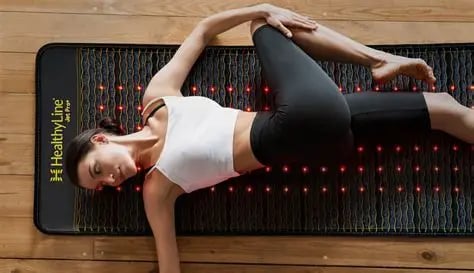
One option that has gained attention in wellness and recovery routines is an infrared crystal heating mat. These mats use gentle infrared heat to warm the body and help muscles release tension while supporting circulation.
Some individuals incorporate infrared heat therapy into relaxation practices such as:
meditation sessions
breathwork exercises
post-yoga recovery
evening wind-down routines
The best two well known popular brands commonly used are the HealthyLine Infrared Amethyst Mat, and Sparkle Biomat Infrared Crystal Mat which many people use during relaxation sessions at home.
👉 You can see current details and user reviews on Amazon.
Bringing Somatic Practices Into Daily Life
Somatic practices work best when they become part of a regular routine. Even setting aside ten minutes a day for breathwork, gentle movement, or body awareness can help the nervous system develop healthier responses to stress.
Somatic regulation also does not require long sessions. Small mindful pauses throughout the day can prevent stress from building up.
Examples include:
Taking three slow breaths between tasks
Stretching after sitting for long periods
Stepping outside for fresh air
These small resets allow the nervous system to recover.
With time and consistency, somatic practices can help build resilience and emotional stability. Learning to reconnect with the body often leads to a deeper sense of calm and balance in everyday life.
Affiliate Disclosure
This article may contain affiliate links. If you choose to purchase through these links, we may earn a small commission at no additional cost to you to keep our blog going.