Get our newsletter, tips, deals , and fitness advice.

Are You Sleeping Enough? 7 Signs of Sleep Deprivation & Simple Ways to Fix It
Discover the warning signs of sleep deprivation, why sleep quality matters, and simple habits that can help you fall asleep faster and wake up feeling refreshed.
3/15/20265 min read
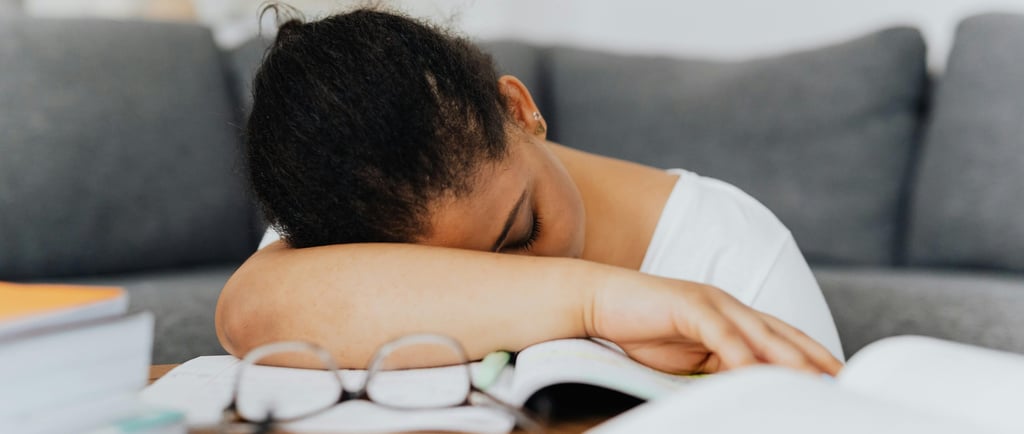
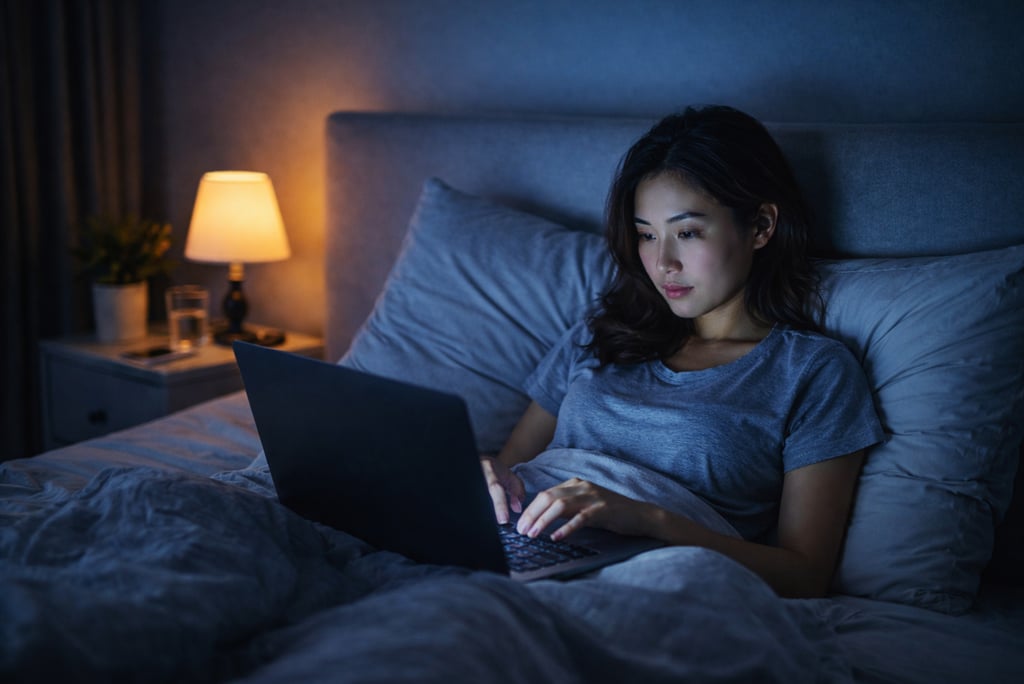
You plan to go to bed early.
But one more scroll turns into another video… another message… another episode. Before you know it, it's midnight and the alarm is set for the morning.
If this sounds familiar, you're not alone. Millions of people today struggle with poor sleep quality, which is why searches like “are you sleeping enough” and “how to sleep better” continue to trend online.
But here’s something most people don’t realize: Sometimes improving sleep doesn’t start with a complicated routine.
It starts with fixing your sleep environment.
Why Sleep Matters More Than Ever
Sleep is now considered one of the three pillars of health, alongside nutrition and exercise.
Most adults need 7–9 hours of quality sleep each night to support:
brain performance and focus
immune system health
emotional balance
metabolism and weight management
When sleep quality drops, the effects appear quickly. Fatigue, irritability, and brain fog are often the first warning signs.
The real question is simple:
Are you actually sleeping enough — or just getting through the day on caffeine?
7 Signs You’re Not Sleeping Enough
Many people assume they’re sleeping enough simply because they spend several hours in bed. But sleep quality matters just as much as sleep quantity. If your body isn’t getting enough restorative sleep, it will usually show subtle signs throughout the day.
Here are some common indicators that you may not be getting the rest your body truly needs.
1. You Need Coffee Immediately After Waking Up
If you can’t start your morning without caffeine, your body may still be recovering from poor sleep. While coffee can boost alertness, relying on it every morning may signal that your natural energy reserves never fully restored overnight.
2. Afternoon Energy Crashes
Feeling unusually tired between 2 PM and 4 PM is often a sign that your body didn’t get enough deep sleep. When sleep cycles are disrupted, your energy levels tend to dip dramatically in the afternoon.
3. Brain Fog
Sleep plays a critical role in memory and cognitive function. Without enough rest, it becomes harder to focus, process information, and make clear decisions.
4. Mood Changes
Poor sleep can affect emotional regulation. Irritability, stress, and anxiety often increase when the brain hasn’t had enough time to recover during the night.
5. Sugar and Carb Cravings
Sleep deprivation can disrupt hormones that control hunger, making you more likely to crave sugary or high-carbohydrate foods for quick energy.
6. Weekend “Catch-Up” Sleep
If you regularly sleep several extra hours on weekends, your body may be trying to repay a sleep debt accumulated during the week.
7. Falling Asleep Almost Instantly
While falling asleep quickly might sound ideal, it can actually mean your body is extremely fatigued and struggling to stay awake.
"The good news is that improving sleep often doesn’t require drastic lifestyle changes."
The Small Sleep Upgrades That Make a Big Difference
Sleep experts often say that your bedroom environment can affect sleep more than you think.
While these tools aren’t magic solutions, these small changes often help create a sleep-friendly environment, which is one of the first steps toward better rest.
Supportive Pillows That Help Improve Sleep Comfort
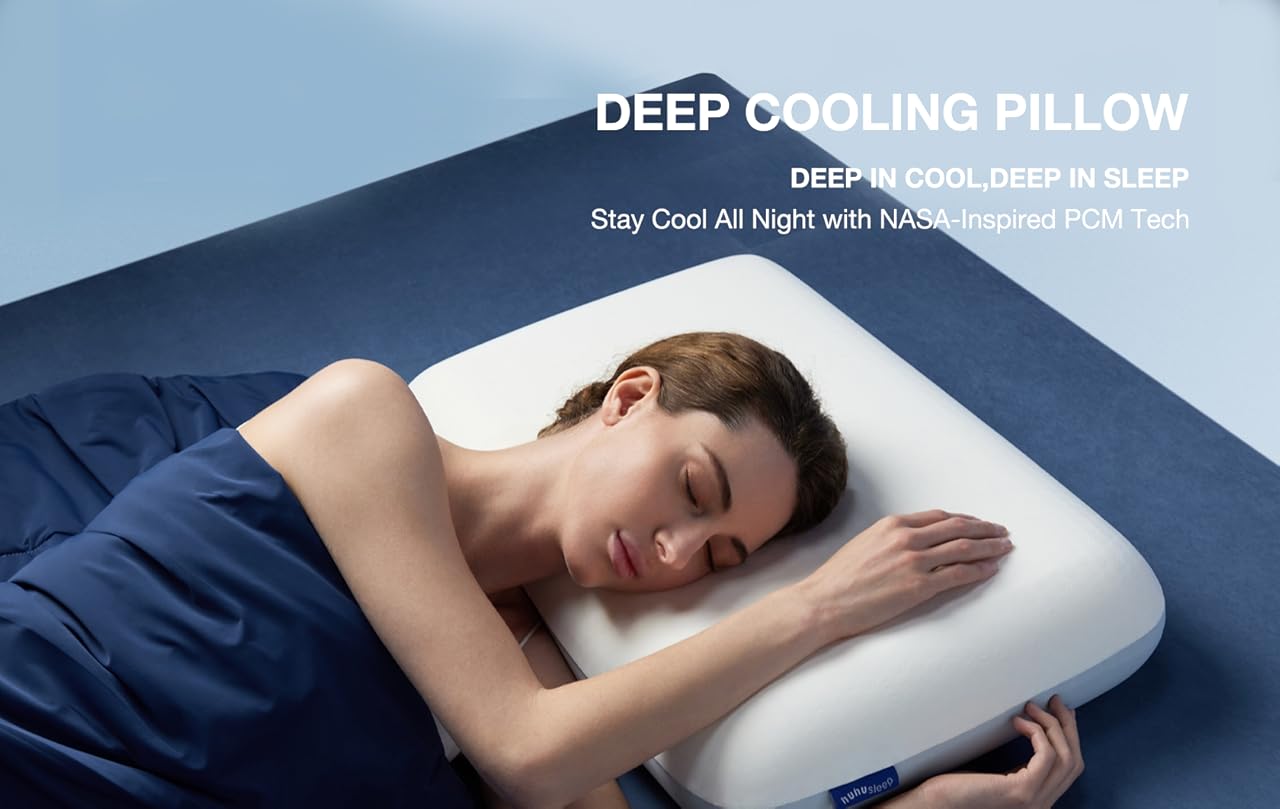
One of the most overlooked factors affecting sleep quality is the pillow you use every night. A supportive pillow helps keep your neck and spine properly aligned, which can reduce pressure points and improve overall sleep comfort.
If you’ve ever woken up with a stiff neck or shoulder tension, your pillow might be part of the problem.
Here are a few highly rated supportive pillows many sleepers recommend.
Coop Home Goods Original Adjustable Pillow
One pillow that consistently receives strong reviews is the Coop Home Goods Original Adjustable Pillow. What makes it popular is its adjustable shredded memory foam filling, which allows you to customize the height and firmness depending on how you sleep.
Check current price and reviews on Amazon
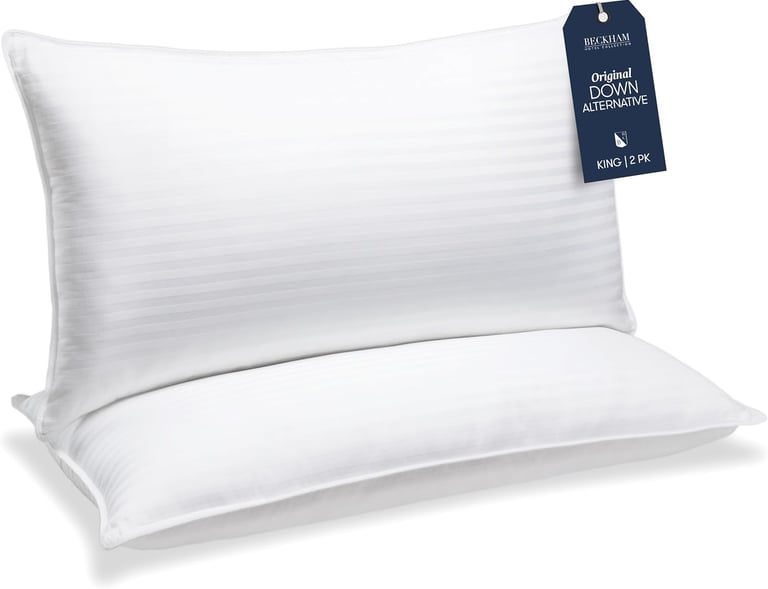
2. Beckham Hotel Collection Bed Pillows
If you prefer a softer hotel-style pillow, the Beckham Hotel Collection Bed Pillows are one of the most widely purchased options online. They use a down-alternative fill designed to provide comfort without losing shape overnight.
These pillows are especially popular with combination sleepers who move between positions during the night.
Pillow Cube Side Sleeper Pillow
Side sleepers often need a pillow that fills the space between the head and mattress. That’s where the Pillow Cube Side Sleeper Pillow stands out. Its unique shape is designed to keep the neck aligned with the spine, which can help reduce shoulder pressure for people who sleep primarily on their side.
Blue Light Blocking Glasses
Another common sleep disruptor today is late-night screen exposure.
Phones, laptops, and tablets emit blue light that can suppress melatonin—the hormone responsible for making you feel sleepy.
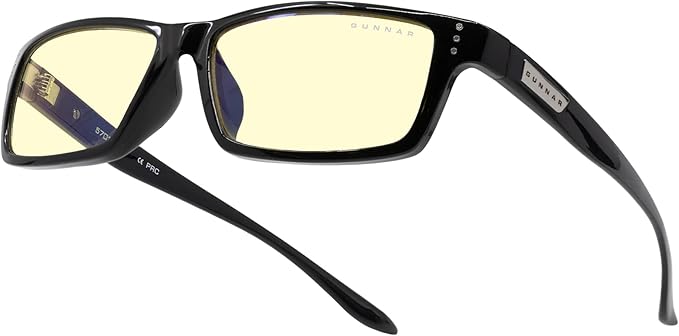
Some people use blue light blocking glasses in the evening to reduce this effect and help their body wind down naturally.
These glasses are widely used by gamers, remote workers, and people who spend long hours in front of screens. Amber lenses help filter blue light that can interfere with melatonin production and sleep cycles
White Noise Machines
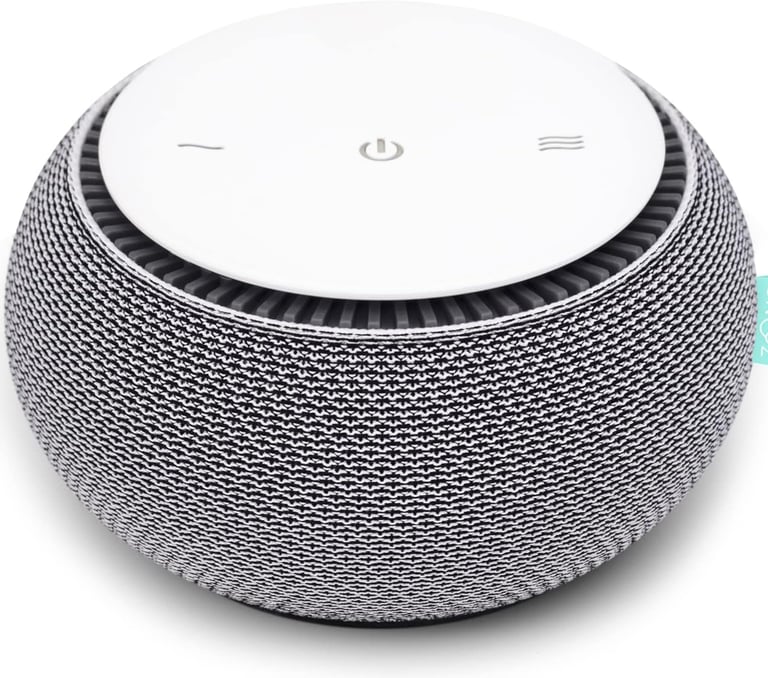
For light sleepers, background noise can also disrupt deep sleep. This is why white noise machines have become increasingly popular—they help mask sounds like traffic, neighbors, or household activity. One popular highly recommended is the SNOOZ Smart White Noise Sound Machine
Traditional Habits That Improve Sleep Quality
Sometimes better sleep isn’t about complicated routines or expensive solutions. Often, it comes down to a few simple habits many of us already know—but don’t always practice consistently.
- Stick to a consistent sleep schedule
Our bodies run on an internal clock. Going to bed and waking up around the same time each day helps train your body to fall asleep more easily and wake up feeling more refreshed.
- Reduce screen time before bed
It’s tempting to scroll or check emails before sleep, but the light from phones and laptops can make it harder for your brain to wind down. Giving yourself 30–60 minutes away from screens before bed can help your body naturally prepare for sleep.
- Lights Out
Creating a calm, dark environment signals to your brain that it’s time to rest. Turning off bright lights, lowering noise, and making your bedroom comfortable can make a surprisingly big difference in how well you sleep.
For many people, combining these simple habits with a comfortable sleep setup—like supportive pillows or a quiet room—can make falling asleep feel much easier.
The Bottom Line
A lot of us try to fight tiredness with more coffee, productivity tricks, or energy boosts during the day.
But sometimes the real answer is much simpler. Better sleep.
When you get quality rest, everything else tends to work better—your focus, your mood, your energy, and even your overall health.
So tonight, before staying up just a little longer, pause for a moment and ask yourself:
Are you truly sleeping enough?
Your body may already be trying to tell you.








Our Top Rated Amazon Choice